Fill in the form below and get instant response via WhatsApp from our export team.
Rice remains one of the most important agricultural commodities in Asia and throughout the world. As a staple food consumed by billions of people every day, demand for reliable rice suppliers continues to grow across international markets. The Philippines has long been recognized as an important participant in the global rice industry, with numerous companies involved in rice production, processing, packaging, distribution, and export activities.
International buyers searching for premium rice suppliers often look toward Southeast Asia because of the region's favorable climate, extensive agricultural expertise, and established export infrastructure. The Philippines offers a range of rice varieties suitable for food manufacturers, wholesalers, distributors, retailers, and commercial importers seeking dependable supply sources.
In this article, we examine the top rice exporters in the Philippines, the country's role in international rice trade, export opportunities, major rice varieties, and what buyers should consider when sourcing rice from Philippine suppliers.
Rice is deeply integrated into Philippine agriculture and food security. Millions of farmers depend on rice cultivation as a primary source of income, making the crop one of the country's most significant agricultural products.
The rice sector contributes substantially to rural employment, transportation services, food processing industries, and export-related economic activities. Improvements in agricultural technology, irrigation systems, post-harvest handling, and logistics continue to enhance the competitiveness of Philippine rice suppliers in international markets.
As global food demand increases, rice exporters in the Philippines continue to explore new export opportunities while maintaining product quality standards required by international buyers.
Top rice exporters distinguish themselves through quality assurance, reliable supply chains, modern processing facilities, and strong customer service. International buyers typically prioritize exporters capable of consistently delivering large quantities while maintaining strict quality specifications.
Successful rice exporters often invest in advanced cleaning equipment, grading systems, packaging facilities, and export logistics networks to ensure products arrive in excellent condition regardless of destination.
Buyers frequently prefer exporters who can provide documentation such as phytosanitary certificates, laboratory reports, quality inspection certificates, and export compliance documentation required by importing countries.
Rice buyers have different requirements depending on consumer preferences and intended applications. Philippine suppliers commonly offer several varieties suitable for international trade.
White rice remains among the most widely traded rice products due to its versatility and broad consumer acceptance. Premium white rice varieties are used extensively by retailers, food distributors, restaurants, hotels, and food manufacturers.
Jasmine-style rice continues to attract strong demand due to its aroma, texture, and suitability for numerous culinary applications. Specialty rice products often command premium pricing in international markets.
Brown rice has gained popularity among health-conscious consumers seeking whole-grain alternatives. The growing health food industry has increased demand for rice products that offer nutritional benefits while maintaining excellent taste and cooking performance.
Organic rice represents another rapidly growing segment. Consumers increasingly prefer sustainably produced foods, creating opportunities for suppliers capable of meeting organic certification requirements.
Rice exporters in the Philippines serve buyers across multiple continents. Asian markets remain important destinations due to regional trade relationships and strong demand for rice products.
The Middle East continues to represent an attractive market for rice exporters. Growing populations, expanding food service industries, and consistent consumption patterns support steady demand for imported rice products.
European importers increasingly seek premium and specialty rice products. Distributors, wholesalers, and food manufacturers often source rice from trusted suppliers capable of meeting stringent quality and safety standards.
North American buyers also contribute to growing international demand. Retailers, ethnic food distributors, restaurants, and food processors frequently require reliable rice suppliers capable of maintaining consistent quality and supply volumes.
African markets continue to offer significant growth opportunities as population expansion and urbanization increase demand for staple food commodities.
Quality remains one of the most important factors influencing buyer decisions. International importers expect rice products that meet established specifications regarding moisture content, purity levels, grain size, color consistency, and overall product appearance.
Leading exporters implement strict quality control systems throughout sourcing, processing, storage, packaging, and transportation stages. Maintaining quality standards helps build long-term relationships with buyers and enhances supplier reputation in competitive international markets.
Many exporters conduct laboratory testing to verify product compliance before shipment. These procedures help ensure customer satisfaction while reducing the risk of shipment rejections and trade disputes.
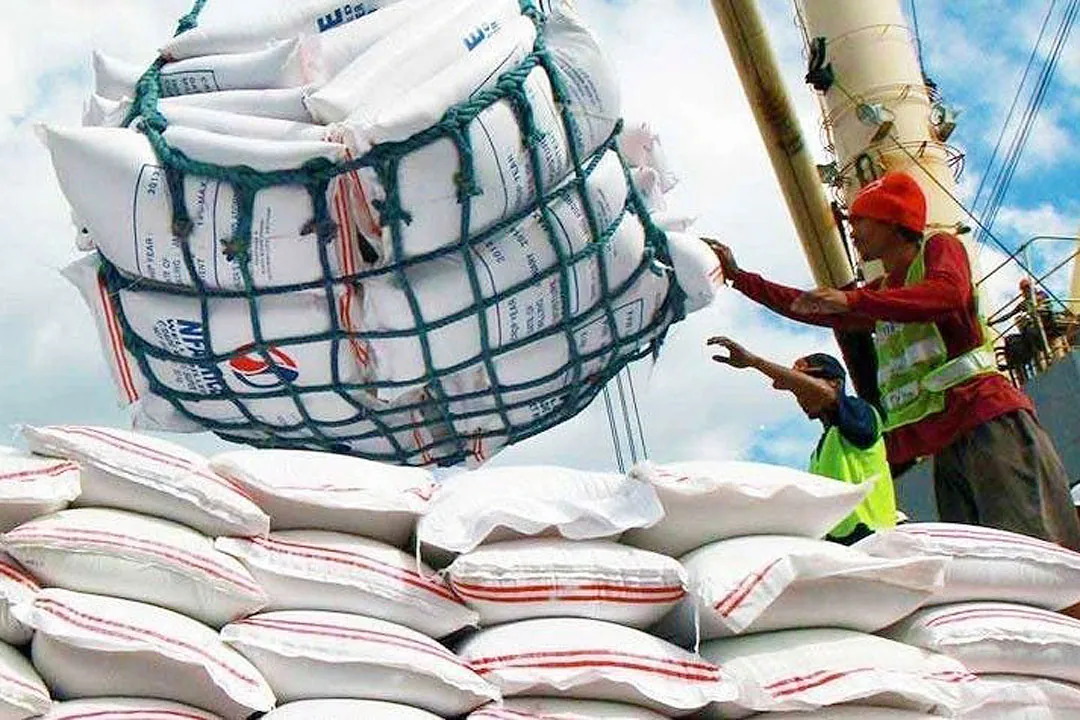
Modern rice exporters understand that packaging plays a critical role in preserving quality during international transportation. Export-grade packaging helps protect rice from moisture, contamination, and physical damage during transit.
Common export packaging options include 25kg bags, 50kg bags, jumbo bags, and customized retail packaging. Some exporters also provide private label services for distributors and retailers seeking branded rice products.
Advances in packaging technology continue to improve product shelf life while enhancing presentation and marketability for international customers.
Partnering with experienced rice exporters offers numerous advantages for importers and distributors. Established suppliers typically maintain stronger relationships with farmers, processors, logistics providers, and regulatory authorities.
These relationships contribute to greater supply reliability and more efficient order fulfillment. Buyers often benefit from better communication, improved documentation support, and enhanced flexibility when managing large-volume purchases.
Experienced exporters also possess valuable knowledge regarding import requirements, customs procedures, shipping documentation, and international trade regulations.
Global rice demand is expected to remain strong for the foreseeable future. Population growth, urbanization, changing dietary habits, and increasing international trade continue to support expansion within the rice industry.
Technological improvements in agriculture and processing are likely to enhance productivity and efficiency throughout the rice supply chain. Exporters that invest in innovation, sustainability, and quality assurance will be better positioned to compete in global markets.
The growing popularity of specialty rice products, organic foods, and premium grains may create additional opportunities for suppliers capable of meeting evolving consumer preferences.
When selecting a rice exporter, buyers should evaluate product quality, production capacity, export experience, certifications, packaging options, and customer support capabilities.
Requesting product samples, reviewing certifications, and discussing logistics arrangements can help buyers identify suppliers best suited to their specific requirements.
Long-term supplier relationships often provide significant benefits, including pricing stability, consistent product quality, and dependable supply availability.
The Philippines continues to play an important role in the international rice industry. With growing export capabilities, improved processing facilities, and increasing attention to quality standards, Philippine rice exporters remain attractive partners for buyers seeking dependable rice supply solutions.
Whether sourcing white rice, specialty rice, organic rice, or bulk commercial quantities, international importers can benefit from working with experienced suppliers capable of delivering consistent quality and professional export services.
As global demand for rice continues to grow, strong partnerships between exporters and international buyers will remain essential for supporting food security, trade growth, and long-term business success.
Fill in the form below and get instant response via WhatsApp from our export team.